
Stay informed with the latest company news and developments in Egypt and the region through our unbiased and direct news platform. Our blog publishes press releases and news directly from companies and their PR agencies, giving you a clear and unfiltered view of the industry. Make informed decisions with our easy to follow and clutter-free approach to company news.
10 April, 2022
LONGi to supply Hi-MO 5 modules to Red Sea Project
XI'AN, China, April 8, 2022 /PRNewswire/Knowledge Bylanes -- LONGi has announced that it has won a contract to supply 406MW of its Hi-MO 5 bifacial modules to SEPCOIII Electric Power Construction Co., Ltd. for Saudi Arabia's Red Sea Project. Located on the Kingdom's west coast, the project will be completely powered by renewable energy on a scale not previously achieved anywhere in the world, with energy to be generated via solar panels and wind turbines to meet initial demand of 210MW, with further expansion planned.
The Red Sea Development Company (TRSDC), the developer behind what is viewed as the world's most ambitious regenerative tourism project, awarded its highest-value contract to date to a consortium led by ACWA Power to design, build, operate and transfer the project's utilities infrastructure, generating up to 650,000 MWh of CO2 free power. The CO2 emissions saved are the equivalent of some half a million tons annually.
Included in the package is the world's largest battery storage facility of 1000MWh, which will allow the destination to remain completely off-grid and powered by renewables day and night. The agreement also covers the construction of three seawater reverse osmosis (SWRO) plants, designed to provide clean drinking water, a solid waste management center and an innovative sewage treatment plant (STP) that is expected to allow waste to be managed in a way that enhances the environment, by creating new wetland habitats and supplementing the venue with irrigation water for landscaping.
The Red Sea Project has already achieved significant milestones and, upon its completion in 2030, there will be 50 hotels, offering up to 8,000 hotel rooms, and around 1,300 residential properties across 22 islands and six inland sites.
"The Red Sea Project is a vital undertaking as part of Saudi Vision 2030 and the completion of the project will lead to a new way of life in the Middle East. LONGi will spare no effort to contribute to the region's energy transformation," commented Dennis She, LONGi Group Vice President.
As a world-leading solar technology company, LONGi will continue to contribute to global energy transformation together with partners from all sectors.

Hope Probe captures new observations about Mars atmosphere in its third batch of scientific data

- Probe instruments continue to monitor the Red Planet, releasing new images and data
- Coverage from all the Hope Probe’s instruments can be accessed on the Emirates Mars Mission’s website, and quick look images are now available
- The Solar Conjunction Phase took place during the data collection period
Abu Dhabi, UAE - 08 April 2022: The Emirates Mars Mission “Hope Probe” captured new observations about Mars atmosphere in its third batch of scientific data collected by the probe’s instruments during its mission in Mars’ orbit, between 1 September and 30 November 2021. Coverage and quick look images from all the Hope Probe’s instruments can be accessed on the Emirates Mars Mission’s website.
The data from the third batch included more than 57 gigabytes of information, images, and data about the Red Planet’s atmosphere, which were captured by the probe’s scientific instruments, making the total data released by the Hope Probe equivalent to 827.7 gigabytes. Within the data, a special high cadence imagery observation took place using the Emirates Exploration Imager (EXI) camera. The observation was designed to attempt to capture motion and evolution in the atmosphere, where it observed high-density clouds on 22 November 2021.
During the period in which the third batch of data was collected, the Mars Solar Conjunction phase took place, which paused communication, science observations and data collection. This was due to the blocked line-of-sight communication between Earth and missions around Mars, with Earth and Mars being on the opposite sides of the Sun. During this phase, which happens almost every two years, the Sun emits hot, ionised gas, which interfered with radio signals when communicating with the Hope Probe. As soon as the phase was over, Mars’ orbital motion around the Sun allowed the Hope Probe to regain its communication.
The third batch of information and data was shared with the scientific community and astronomy enthusiasts from around the world via the data centre on the project’s website. The Emirates Mars Mission releases data every three months after the data captured by probe’s instruments is catalogued and analysed by the project’s science team. The first and second batches of data received considerable interest by scientists, researchers, experts, and astronomy enthusiasts from around the world, who have downloaded around 1.4 terabytes of this data.
Eng. Omran Sharaf, Project Director of Emirates Mars Mission, said: “Publishing the data and images captured by the Hope Probe and sharing it with the global scientific community reflects the UAE’s commitment to supporting scientific progress in the field of space and related sciences. Sharing this data about the Red Planet’s atmosphere and climate with scientists, engineers, researchers, students, and other beneficiaries will contribute to supporting scientific research and studies that seek to find out more about Mars and its climate’s shifts and interactions.”
Sharaf added, “The Probe is continuing its planned mission to orbit around Mars perfectly. The efficiency and high quality of the Probe, manufactured by esteemed Emirati skills and international expertise, is the culmination of years of advances and progresses in manufacturing satellites, in accordance with world-class engineering and industrial standards. The Probe today is offering its remarkable scientific capabilities to the community of scientists and researchers studying the Red Planet, thereby consolidating the UAE’s prestigious position in the space field”.
Hessa Al Matroushi, Emirates Mars Mission Science Lead, said: “It is very exciting to check the most recent coverage of the Mars Hope Probe. Every data downlink we receive provides us with additional insights on Mars and its atmosphere. This supports the mission’s objectives of providing useful scientific data, as well as enhancing our national capabilities, and fostering global collaboration.”
The Hope Probe’s orbit, which is between 20,000 and 43,000 km with a 25-degree incline towards Mars, gives it the unique ability to complete one orbit around the planet every 55 hours, capturing comprehensive data every 9 days. The Probe has released the first images and data of its kind of the hidden auroras in Mars’ atmosphere during night, as well as unprecedented data about the behaviour of gases and chemical interactions in the planet’s atmosphere. The Probe also made other discoveries that have altered the previous conceptions about the distribution of ultraviolet light emitted by Mars’ upper atmosphere.
The Hope Probe is studying the current state of Mars’ atmosphere and weather and the reason for the escape of hydrogen and oxygen from its upper atmosphere. In addition, it is studying the relation between the higher and lower atmospheres of Mars and various other phenomena like dust storms, weather variations, and atmosphere dynamics. The Probe weighs around 1,350 KG, approximately the weight of a small SUV. It was designed and developed by engineers at Mohammed Bin Rashid Space Centre (MBRSC), in cooperation with academic partners including, the Laboratory for Atmospheric and Space Physics (LASP) at the University of Colorado Boulder, the University of Arizona, and the University of California, Berkeley.
To view the data collected from the Hope Probe and browse the images from the instruments, please visit the following link https://www.
"مسبار الأمل" يسجل ملاحظات جديدة عن مناخ المريخ
مع نشر الدفعة الثالثة من البيانات العلمية
الأجهزة المثبتة على المسبار تواصل رصدها لظواهر الكوكب الأحمر لإصدار صور وبيانات جديدة
يمكن الوصول إلى البيانات والصور التي رصدتها أجهزة مسبار الأمل عبر الموقع الإلكتروني الخاص بالمسبار
مسبار الأمل دخل مرحلة الاقتران الشمسي لمدة أسبوعين خلال فترة الرصد في أكتوبر
أبريل 2022، أبوظبي، الإمارات العربية المتحدة: رصد مشروع الإمارات لاستكشاف المريخ "مسبار الأمل" ملاحظات جديدة عن مناخ المريخ، وذلك ضمن الدفعة الثالثة من البيانات العلمية التي جمعها ضمن مهمته حول مدار كوكب المريخ باستخدام أجهزة الرصد العلمي التي يحملها خلال الفترة بين 1 سبتمبر و30 نوفمبر من العام الماضي.
وكان "مسبار الأمل" قد أتاح إمكانية الوصول إلى البيانات التي رصدتها جميع الأجهزة المثبتة على المسبار عبر موقعه الإلكتروني الرسمي، حيث تتضمن الدفعة الثالثة التي جرى نشرها أكثر من 57 جيجابايت من المعلومات والصور والبيانات الهامة حول مناخ الكوكب الأحمر، حيث جرى رصدها عبر مجموعة من الأجهزة العلمية التي يحملها المسبار، ليصل إجمالي حجم البيانات التي سجّلها المسبار إلى ما يقارب 827.7 جيجابايت. كما رصدت كاميرا الاستكشاف الرقمية (EXI) التي يحملها المسبار من خلال ملاحظة جديدة صممت لالتقاط حركة ظواهر الغلاف الجوي وتطورها، صوراً فريدةً عن السحب عالية الكثافة بتاريخ 22 نوفمبر 2021.
ودخل مسبار الأمل في مرحلة الاقتران الشمسي في أكتوبر حيث توقف المسبار بشكل مؤقت عن رصد الملاحظات العلمية وجمع البيانات وجميع الاتصالات نتيجة الرؤية المحدودة بين الأرض والمهمات حول المريخ. تحدث هذه الظاهرة كل عامين تقريباً، إذ تبعث الشمس غازات مؤينة ساخنة تتداخل مع إشارات الاتصال الراديوية التي يرسلها مسبار الأمل. وتتيح الحركة المدارية للمريخ حول الشمس استعادة اتصالات مسبار الأمل بعد انتهاء مرحلة الاقتران الشمسي.
وجرت مشاركة المعلومات والبيانات مع أفراد المجتمع العلمي والمهتمين بعلوم الفضاء من جميع أنحاء العالم عبر مركز البيانات في الموقع الإلكتروني الخاص بالمشروع. إذ يعتمد مشروع الإمارات لاستكشاف المريخ على نشر البيانات على شكل دفعات ربع سنوية، أي كل ثلاثة أشهر، وذلك بعد رصدها من قبل أجهزة مثبتة على المسبار وفهرستها وتحليلها من قبل الفريق العلمي المختص. وكانت الدفعتين الأولى والثانية قد لاقت متابعة واهتماماً واسعين من قبل العلماء والباحثين والخبراء وهواة الفضاء حول العالم، حيث شهدت تنزيل ما يقارب 1.4 تيرابايت منها.
وبهذا الصدد، قال المهندس عمران شرف، مدير مشروع الإمارات لاستكشاف المريخ: "يعكس نشر البيانات والمعلومات والصور العلمية التي يلتقطها "مسبار الأمل" مع المجتمع العلمي العالمي حرص دولة الإمارات على تحقيق التزامها في تعزيز مسيرة التقدم العلمي بشكل عام وفي المجال الفضائي والعلوم المرتبطة به بشكلٍ خاص، حيث أن مشاركة هذه البيانات حول مناخ الكوكب الأحمر وغلافه الجوي مع مختلف الأطراف المعنية من علماء ومهندسين وباحثين وطلبة وغيرها من الفئات المستفيدة سيساهم بشكل أساسي في دعم البحوث والدراسات العلمية الرامية للتعرف بشكلٍ أدق على الكوكب الأحمر، بما في ذلك المناخ وتغيراته وتفاعلاته".
وأضاف شرف: "يواصل المسبار مهمته والدوران في مداره العلمي المخطط له حول المريخ بشكلٍ طبيعي، مؤكداً على كفاءة وجودة التصنيع الإماراتي للمسبار والخبرات العالمية، والتي تأتي تتويجاً لسنوات من التطور والتقدم في تصنيع الأقمار الصناعية التي تتميز بقدرات هندسية وتصنيعية وفق أعلى المعايير العالمية. إذ يضع المسبار قدراته العلمية المتميزة اليوم في يدٍ مجتمع العلوم والبحوث حول كوكب المريخ، ليرسخ مكانة دولة الإمارات المتقدمة في المجالات الفضائية".
ومن جانبها، قالت حصة المطروشي، نائب مدير مشروع الإمارات لاستكشاف المريخ: "سُعدنا بالملاحظات والبيانات الجديدة التي رصدها مسبار الأمل عن كوكب المريخ، إذ نحصل مع كل دفعة نتلقاها على مزيدٍ من الرؤى والمعارف المتعلقة بالكوكب الأحمر وغلافه الجوي، بما يدعم مستهدفات هذه المهمة العلمية في توفير بيانات علمية مفيدة وتعزيز القدرات الوطنية والشراكات العالمية".
ويواصل "مسبار الأمل" الدوران في مداره الذي يتراوح ما بين 20000 و43000 كيلومتر مع ميل باتجاه المريخ بمقدار 25 درجة، ما يمنحه قدرة فريدة على إكمال دورة واحدة حول الكوكب كل 55 ساعة، والتقاط ملاحظات شاملة من الكوكب كل تسعة أيام. وكان المسبار قد سبق له نشر صورٍ وبيانات هي الأولى من نوعها لظاهرة الشفق المنفصل في الغلاف الجوي للمريخ أثناء الليل، وملاحظات غير مسبوقة عن سلوك الغازات والتفاعلات في الغلاف الجوي للكوكب الأحمر، وغيرها من الاكتشافات التي تغيّر في المفاهيم السابقة حول توزيع الضوء فوق البنفسجي المنبعث من الغلاف الجوي العلوي للمريخ.
ويعمل مسبار الأمل على دراسة الحالة الراهنة لكوكب المريخ ومناخه وأسباب هروب غازي الهيدروجين والأوكسجين من الطبقات العليا لغلافه الجوي، إلى جانب استكشاف العلاقة بين طبقات الغلاف الجوي السفلى والعليا لكوكب المريخ، وتقصي الظواهر المختلفة مثل العواصف الغبارية وتغيرات درجات الحرارة وأنماط المناخ المتنوعة حسب التضاريس. ويبلغ وزن "مسبار الأمل" حوالي 1350 كيلوجراماً أي ما يعادل سيارة دفع رباعي صغيرة، وقام بتصميمه وتطويره مهندسو مركز محمد بن راشد للفضاء بالتعاون مع شركاء أكاديميين بما في ذلك "مختبر فيزياء الغلاف الجوي والفضاء" في جامعة كولورادو بمدينة بولدر، وجامعة ولاية أريزونا وجامعة كاليفورنيا بمدينة بيركلي.
لاستعراض البيانات التي جمعها مسبار الأمل، يرجى زيارة الرابط التالي: https://www.emiratesmarsmission.ae/
الإمارات العربية المتحدة تواصِل استقطاب السياح
موسى الحايك: "حرص الامارات على استضافة فعاليات وأحداث عالمية مثل اكسبو 2020 ساهم في تنشيط الاقتصاد وتمكين قطاع الضيافة من التعامل مع المتغيرات العالمية

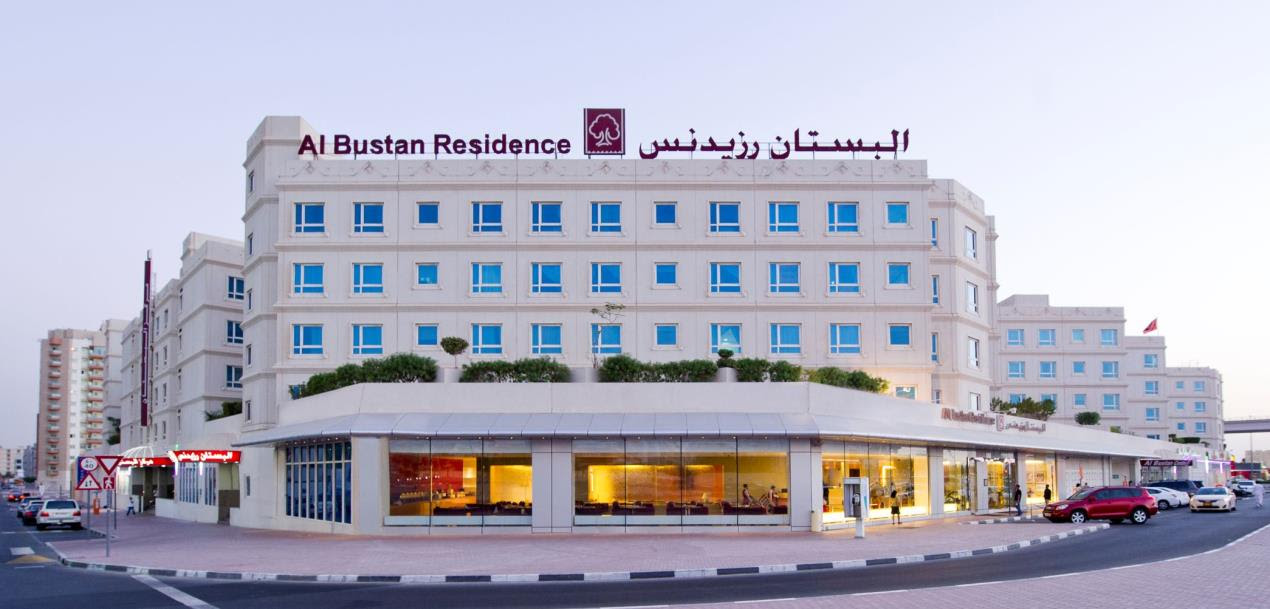
دبي، الإمارات العربية المتحدة (8 ابريل 2022) – يتميز قطاع الضيافة في الإمارات بالحيوية ويواصِل استقطاب المزيد من السياح من جميع أنحاء العالم وساهم إكسبو 2020 الى حد بعيد في زيادة نسب إشغال الفنادق في دبي حيث سجل أكثر من 22 مليون زيارة، وشهدت الأشهر العشرة الأولى من العام الماضي نسبة إشغال فندقي بلغت 64% على أساس سنوي، وهي إحدى أعلى النسب عالمياً.
وأكد موسى الحايك، الرئيس التنفيذي للعمليات في مركز ورزيدنس البستان، ان حرص الامارات على استضافة فعاليات وأحداث عالمية مثل اكسبو 2020 ساهم الى حد بعيد في تنشيط الاقتصاد الوطني وتمكين قطاع الضيافة من التعامل مع المتغيرات العالمية ومواجهة تأثيرات الجائحة بفضل الدعم المستمر الذي توفره حكومة الامارات لقطاع الضيافة والسياحة ورفع كفاءته.
وأوضح ان تغير سلوك المستهلك خلال العامين الماضيين ادى الى تطوير استراتيجيات جديدة تتضمن توفير المزيد من التجارب والخدمات وفقا لتفضيلات العملاء وبما يلبي الاحتياجات المتغيرة للأفراد والمجموعات على حد سواء اضافة الى الالتزام بكافة التدابير الاحترازية وإجراءات الامان والسلامة.
وأشار الى ان قطاع الضيافة في دبي والامارات يتميز بمرونة وقدرة عالية على التكيف مع التغيرات العالمية ويمثل نموذجا بارزا للقدرة على التعامل مع مختلف الظروف والاحوال ومواصلة عملية النمو. وأوضح موسى الحايك بمناسبة احتفال مركز وريزيدنس البستان بمرور 25 عاما على اطلاقه ان المركز تمكّن من تحقيق نمو متواصل وإقامة شراكات متميزة مما جعله الوجهة المفضلة للسياح ورجال الاعمال في دبي على امتداد السنوات الماضية، ويتطلع المركز الى استقبال المزيد من السياح والمقيمين في السنوات المقبلة، مثلما استقبل ورحب بالملايين من الزوار على امتداد العقدين الماضين.
وتوجه بخالص الامتنان والشكر إلى الحكومة الرشيدة لدولة الامارات العربية المتحدة لتوفيرها الدعم المستمر لقطاع الضيافة والسياحة ورفع كفاءته، وأعرب عن سعادته البالغة بالإنجازات الكبرى التي تمكّن المركز من تحقيقها خلال الـ 25 عاما الماضية وعلى مواصلته اداء دور رئيسي في تعزيز اداء قطاع الضيافة والسياحة في دبي، وتلبية الطلب المتزايد على الغرف والمرافق الفندقية الراقية. وقال ان المركز يقدم العديد من العروض للزوار بمناسبة الذكرى السنوية الخامسة والعشرين لتأسيسه وتشمل توفير الحجوزات اليومية وطويلة الأجل بأفضل الأسعار المتاحة على غرف محدودة، وتشمل خصما بقيمة 25٪ على الحجوزات الشهرية والسنوية اذا تم القيام بالحجز خلال الفترة بين 1 و15 أبريل 2022. ويمكن للضيوف أيضا حجز 3 ليالٍ كحد ادنى للمشاركة في سحب للفوز بـ25 ليلة مجانية من 1 إلى 31 أبريل وفقا للشروط والأحكام، وتتوفر ايضا العديد من الهدايا القيّمة لمتابعي صفحات التواصل الاجتماعي لمركز ورزيدنس البستان.
Dulsco commissions a new Refuse Derived Fuel (RDF) Plant, a first in the region

The technology treats waste to produce an RDF product that is used as an alternative fuel
Businesses across the UAE can benefit from the RDF plant to achieve environmental goals
DUBAI, United Arab Emirates-Friday 8 April 2022:
Dulsco, an integrated solutions provider and the Official Waste Management Partner of Expo 2020 Dubai, continues to drive environmental sustainability with the successful introduction of its Refuse Derived Fuel (RDF) plant, currently located within the Expo 2020 premises. The waste to energy plant has the capacity to process more than 70,000 tons of waste per annum – which is the equivalent of 7,000 garbage trucks diverted away from landfill.
The RDF plant has an innovative processing methodology that treats waste to produce a refuse derive fuel product. The plant is the first of its kind in the region. The waste is pre-treated before being processed and the output product conveniently serves as a fuel feed to power the plant itself or is used by cement and other factories as an environmentally friendly and more sustainable alternative to natural gas.
The RDF Plant, which enables Dulsco to treat waste, underpins the company’s commitment to sustainability and supports its drive toward achieving a circular economy with an effective long-term solution for waste management in the region in line with the UAE’s Circular Economy Policy 2021 - 2031.
David Stockton, CEO, of Dulsco, said: “The waste to fuel plant is an important addition to our collection of waste treatment facilities, as treating waste arising is an integral part of a sustainable waste management process.”
Expo 2020 was a great platform for Dulsco to utilise our state-of-the-art processing facility and expertise to treat waste which helped us achieve in excess of 85% waste diversion from landfill.
Our aim is always to find solutions to make the communities that we serve more efficient, productive and sustainable. We will continue to invest heavily in technology and innovation, as we remain committed to supporting the UAE’s drive for sustainability and the country’s mission to achieve a circular economy”, Mr Stockton added.
Factories and businesses across the UAE can now access the waste recycling services from Dulsco and contribute to a greener, more sustainable economy.
*Source: AETOSWire
دلسكو تفتتح أول منشأة من نوعها في المنطقة لتحويل النفايات إلى مواد بديلة للوقود
تماشياً مع سياسة الاقتصاد الدائري لدولة الإمارات العربية المتحدة
المنشأة الجديدة تفتح أبوابها أمام الشركات لتحقيق الأهداف البيئية المستدامة
دبي، الإمارات العربية المتحدة-الجمعة 8 أبريل 2022:
في إنجاز هو الأول من نوعه على مستوى المنطقة، افتتحت دلسكو، المزود الرائد للحلول المتكاملة، محطة جديدة لتحويل النفايات إلى وقود، في المنطقة المتاخمة لإكسبو 2020، حيث تمتلك القدرة على معالجة أكثر من 70,000 طن من المخلّفات سنوياً، وهو ما يعني تجنب إرسال حمولة 7,000 شاحنة قمامة إلى مكب النفايات، بما يسهم في تعزيز الاستدامة البيئية.
ويشكل افتتاح المحطة الجديدة تأكيداً على التزام دلسكو بالاستدامة ودعماً لمسيرتها نحو تحقيق اقتصاد دائري من خلال حل فعال وطويل الأمد لإدارة النفايات في المنطقة، بما يتماشى مع سياسة الاقتصاد الدائري لدولة الإمارات العربية المتحدة 2021-2031.
وقال ديفيد ستوكتون، الرئيس التنفيذي لشركة دلسكو: "تمثل محطة تحويل النفايات إلى وقود، إضافة مهمة إلى مبادرات الاستدامة البيئية في دولة الإمارات العربية المتحدة، مستندة في ذلك إلى نجاحها في تحويل أكثر من 85% من مخلّفات مكبات النفايات في إكسبو 2020 دبي إلى مواد بديلة للوقود، ونتطلع إلى البناء على هذا النجاح من خلال توظيف خبراتنا لخدمة الشركات العاملة في المنطقة".
وأكد ستوكتون أن دلسكو تعمل على إيجاد حلول ناجحة تسهم في جعل المجتمعات التي تخدمها أكثر كفاءة وإنتاجية واستدامة، مشيراً إلى أن المجموعة ستواصل الاستثمار في التقنيات والابتكارات التي تدعم تحقيق هذا الهدف، مع إتاحة المجال لمختلف المصانع والشركات في جميع أنحاء دولة الإمارات الاستفادة من خدمات دلسكو لإعادة تدوير النفايات ومن ثم المساهمة في التحول إلى اقتصاد أكثر اخضراراً واستدامة.
وتعتمد محطة تحويل النفايات إلى وقود، على تقنية مبتكرة في مجال معالجة المخلفات لإنتاج الوقود المشتق من النفايات، وتتطلب هذه التقنية معالجة النفايات مسبقاً قبل تحويلها إلى وقود، فيما يستخدم المنتج الناتج كوقود لتشغيل المحطة نفسها أو يمكن استخدامه في مصانع الاسمنت وغيرها من المصانع كبديل صديق للبيئة وأكثر استدامة من الغاز الطبيعي.
المصدر: "ايتوس واير"
Air pollution responsible for 180,000 excess deaths in tropical cities
- Riyadh, Sana’a among cities analysed for study showing rapid degradation in air quality
- ‘We’re entering a new era of air pollution with some cities experiencing rates of degradation in a year that other cities experience in a decade’, say scientists
Around 180,000 avoidable deaths over 14 years in fast-growing tropical cities, including Riyadh and Sana’a, were caused by a rapid rise in air pollution, a study led by researchers at University College London and the University of Birmingham has revealed.
The international team of scientists aimed to address data gaps in air quality for 46 future megacities in Africa, Asia and the Middle East using space-based observations from instruments onboard NASA and European Space Agency (ESA) satellites for 2005 to 2018.
Published today in Science Advances, the study reveals rapid degradation in air quality and increases in urban exposure to air pollutants hazardous to health. Across all the cities, the authors found significant annual increases in pollutants directly hazardous to health of up to 14% for nitrogen dioxide (NO2) and up to 8% for fine particles (PM2.5), as well as increases in precursors of PM2.5 of up to 12% for ammonia and up to 11% for reactive volatile organic compounds.
The researchers attributed this rapid degradation in air quality to emerging industries and residential sources like road traffic, waste burning, and widespread use of charcoal and fuelwood.
Lead author Dr Karn Vohra, UCL Geography, who completed the study as a PhD student at the University of Birmingham, said: “Open burning of biomass for land clearance and agricultural waste disposal has in the past overwhelmingly dominated air pollution in the tropics. Our analysis suggests we’re entering a new era of air pollution in these cities, with some experiencing rates of degradation in a year that other cities experience in a decade.”
The scientists also found 1.5- to 4- fold increases in urban population exposure to air pollution over the study period in 40 of the 46 cities for NO2 and 33 of the 46 cities for PM2.5., caused by a combination of population growth and rapid deterioration in air quality.
According to the study, the increase in the number of people dying prematurely from exposure to air pollution was highest in cities in South Asia, in particular Dhaka, Bangladesh (totalling 24,000 people), and the Indian cities of Mumbai, Bangalore, Kolkata, Hyderabad, Chennai, Surat, Pune and Ahmedabad (totalling 100,000 people).
The researchers say that while the number of deaths in tropical cities in Africa are currently lower due to recent improvements in healthcare across the continent resulting in a decline in overall premature mortality, the worst effects of air pollution on health will likely occur in the coming decades.
Study co-author Dr Eloise Marais, UCL Geography said: “We continue to shift air pollution from one region to the next, rather than learning from errors of the past and ensuring rapid industrialisation and economic development don’t harm public health. We hope our results will incentivise preventative action in the tropics.”
The study was funded by a University of Birmingham Global Challenges PhD Studentship awarded to Dr Vohra and a NERC/EPSRC grant awarded to Dr Marais.
تلوث الهواء يسبب 180 ألف حالة وفاة إضافية في المدن الاستوائية
- الرياض وصنعاء ضمن المدن التي شملتها الدراسة وتظهر تدهوراً سريعاً في جودة الهواء
- علماء: "ندخل حقبة جديدة من تلوث الهواء وتشهد بعض المدن في عام واحد معدلات تدهور حدثت بمناطق أخرى في 10 سنوات"
دبي – 8 أبريل 2022: كشفت دراسة قادها باحثون من كلية لندن الجامعية وجامعة برمنغهام وقوع حوالي 180 ألف حالة وفاة يمكن تفاديها على مدى 14 عاماً في المدن الاستوائية سريعة النمو، التي تشمل الرياض وصنعاء، بسبب الارتفاع الحاد في تلوث الهواء.
واستهدف الفريق العلمي الدولي معالجة ثغرات البيانات حول جودة الهواء في 46 مدينة كبرى مستقبلية في إفريقيا وآسيا والشرق الأوسط باستخدام المراقبة الفضائية من أجهزة أقمار اصطناعية تابعة لوكالة ناسا ووكالة الفضاء الأوروبية بين عامي 2005 و2018.
نُشرت الدراسة اليوم في مجلة ساينس أدفانسيس، وكشفت عن تدهور حاد في جودة الهواء وزيادة في التعرض الحضري لملوثات الهواء الخطرة على الصحة. وفي كل المدن التي شملتها الدراسة، رصد الباحثون زيادات سنوية كبيرة في الملوثات التي تشكل خطورة مباشرة على الصحة، ضمت ارتفاعاً يصل إلى 14% في معدلات ثاني أكسيد النيتروجين و8% في معدلات الجزيئات الدقيقة، إضافة إلى زيادات في سلائف الجسيمات الدقيقة تصل إلى 12% في معدلات الأمونيا، و11% في معدلات المركبات العضوية المتطايرة والتفاعلية.
وأرجع الباحثون ذلك التدهور السريع في جودة الهواء إلى الصناعات الناشئة وملوثات أخرى مثل حركة المرور على الطرق وحرق النفايات والاستخدام واسع النطاق للفحم والحطب.
وقال الباحث الرئيسي الدكتور كارن فوهرا من قسم الجغرافيا في كلية لندن الجامعية، والذي أكمل دراسته كطالب دكتوراه في جامعة برمنغهام: "هيمن في الماضي حرق الكتل الحيوية في الهواء الطلق بهدف تهيئة الأراضي، والتخلص من النفايات الزراعية، على تلوث الهواء في المناطق الاستوائية. لكن يشير تحليلنا إلى دخولنا حقبة جديدة من تلوث الهواء في تلك المدن، حيث تشهد بعض المدن في عام واحد معدلات تدهور تشهدها مدن أخرى في عشر سنوات".
كما رصد العلماء زيادة بـ 1.5 إلى 4 أضعاف في تعرض سكان المدن إلى تلوث الهواء بثاني أكسيد النيتروجين خلال فترة الدراسة في 40 مدينة من أصل 46 مدينة، وبالجزيئات الدقيقة في 33 من أصل 46 مدينة، نتيجة مزيج من النمو السكاني والتدهور الحاد في جودة الهواء.
وبحسب الدراسة، بلغت زيادة الوفيات نتيجة التعرض لتلوث الهواء إلى أعلى مستوياتها في مدن جنوب آسيا، خصوصاً دكا في بنغلاديش (بإجمالي 24000 شخص)، ومدن مومباي، وبنغالور، وكلكتا، وحيدر أباد، وتشيناي، وسورات، وبوني وأحمد أباد الهندية (بإجمالي 100,000 شخص).
وأشار الباحثون إلى انخفاض عدد الوفيات في المدن الاستوائية في إفريقيا حالياً بسبب تحسن الرعاية الصحية في كل أنحاء القارة، مما أدى إلى انخفاض إجمالي الوفيات المبكرة، لكن يُرجح وقوع أسوأ آثار تلوث الهواء على الصحة خلال العقود المقبلة.
وقالت الدكتورة إلويز ماريه، المؤلفة المشاركة في الدراسة من قسم الجغرافيا في كلية لندن الجامعية: "نواصل نقل تلوث الهواء من منطقة إلى أخرى، بدل التعلم من أخطاء الماضي، وضمان عدم إلحاق تسارع التحول الصناعي والتنمية الاقتصادية للضرر بالصحة العامة. نأمل أن تحفز النتائج التي توصلنا إليها العمل الوقائي في المناطق الاستوائية".
وتم تمويل الدراسة عبر منحة الدكتوراه للتحديات العالمية في جامعة برمنغهام الممنوحة للدكتور كارن فوهرا، ومنحة NERC / EPSRC الممنوحة للدكتورة إلويز ماريه.
Subscribe to:
Comments (Atom)