21 November, 2018

BricsCAD V19 Is Here!


The latest release of the world’s best .dwg-based CAD system is available now.


Dubai, 20 November 2018: The future of the .dwg format is secure with the release of the BricsCAD® V19. It extends BricsCAD’s familiar, cost-effective workflows for general drafting, mechanical design and Building Information Modelling. All of these workflows are now available in a single product family. There are hundreds of new features, workflow improvements and fixes in this new, major version of BricsCAD. Here are some of the most exciting new features in BricsCAD V19.


What’s New in BricsCAD V19?


Blockify finds repetitive geometry and automatically creates blocks to reduce .dwg size. It works for both 2D and 3D geometry.


2D drafting and sketching is faster with the new nearest distance dynamic dims, “nudge”, and adaptive snap steps that work together to make drawing accurately easy.


A host of user interface enhancements take the BricsCAD experience to a new level. Bricsys has simplified workspaces and added a new panel to monitor and manage drawing attachments. A dockable parameters panel helps to access and change values easily.


The new CUI management and Settings management tools strive to make life easier. New live datalink tools, DGN file & PDF import, and point cloud visualization features help round out just a few of the major new additions to BricsCAD V19.


BricsCAD BIM proves the viability of .dwg as a core format for real 3D BIM



BricsCAD BIM V19 delivers an efficient, full 3D workflow that starts in 3D and stays in 3D. It utilizes AI to connect layered compositions quickly, consistently and correctly. This promises exquisitely executed quantity take-offs and truly accurate detailing, across the entire model.


The new, simplified UI will speed things up, whilst the curtain wall command makes short work of designing facades. BIM components can now be created by just importing and parameterizing RFA files and can then be added directly to a model via drag-and-drop.


Propagate works with new, live building grids and reflected ceiling plans to consistently improve model development. It automates tedious and repetitive tasks.


Quickdraw allows users to create an entire 3D floor plan in less than a minute. HVAC modelling takes on a solid foundation with new profile libraries. The SITE object understands volumetric grading and lets users shape the terrain for the building model.

Welcome to BricsCAD Mechanical
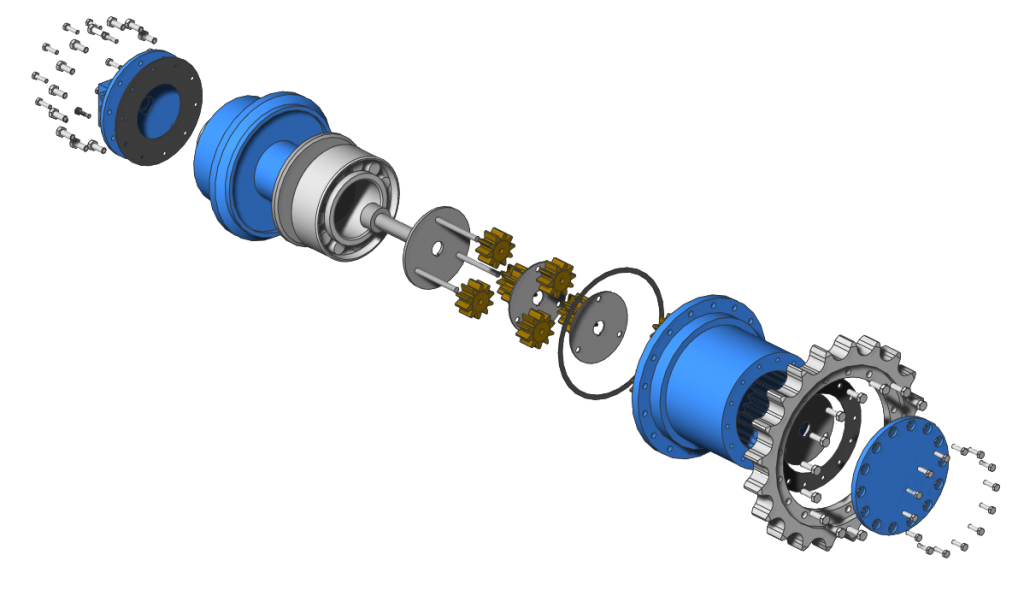


Bricsys has combined the BricsCAD Platinum edition together with Sheet Metal for BricsCAD to create the all-new BricsCAD Mechanical. It brings the power of direct modelling, constraints, and parametrics to give the ultimate 3D modelling freedom for mechanical designers.


New and enhanced parametric components, associative arrays, and component-based features now make short work of both 2D and 3D families of parts. Create sheet metal parts from scratch, an existing solid or even from parts imported from other CAD systems.


In BricsCAD Mechanical, documentation workflow is enhanced to create fully-detailed manufacturing drawings automatically from assemblies. Generate Bills-Of-Materials with automated balloon placement and annotate drawings in record time.


There’s a lot more to V19


BricsCAD V19, BricsCAD BIM, BricsCAD Mechanical and Communicator is now available for free, for 30 days at www.bricsys.com. Starting with V19, every license of BricsCAD works in all geographies and all language versions. This is freedom of choice from the team at Bricsys.


Bricsys offers BricsCAD as a perpetual (permanent) software license, so customers have never-ending access to their design data. Bricsys believes that no other company can promise this, all in one, industry-standard platform.


BricsCAD is the solution for now and the future of .dwg-based CAD, because, in today’s business world, it should be all about choice, and all about you. That’s BricsCAD®. Now a proud member of Hexagon PPM.

Fintech Startups in the GCC to Attract US$ 2 billion in Private Funding, according to MENA Research Partners (MRP)


A major shift towards the ‘second wave’ fintech sectors expected by 2020, as well as the emergence of the first regional fintech unicorn

(Sharjah- 20 November, 2018) – Investments in Gulf-based fintech startups are expected to reach US$ 2 billion in the next decade, compared to a mere US$ 150 million invested in the last 10 years, according to a new study by MENA Research Partners (MRP), a leading research company in the region. The study was released today, to coincide with the Sharjah Entrepreneurship Festival, a key regional event that is celebrating entrepreneurship and the startup ecosystem in the Gulf Cooperation Council countries (GCC).

The UAE and Saudi Arabia are expected to play a key role in unlocking the GCC growth potential and shaping the MENA fintech sector. MRP suggests that both countries will be at the heart of the evolving fintech transformation, powered by many factors: adopting a top-down approach for creating advanced infrastructures for the smart cities of the future, having the highest online connectivity per capita in the region, and representing 45% of the MENA economies. The private sector in both markets is also stepping up its investments in fintech.

“The call on private capital in the fintech space remains largely untapped, although we have seen some deals completed over the past few years. Today, we have a US$ 2 billion funding gap of private capital investments in fintech startups, when compared to other emerging markets. The private capital investment gap compared with the global average is much wider, at US$ 10 billion. In the last ten years, private capital investments in GCC-based fintechs was a mere 0.007% of the GDP, 10x below the emerging markets average of 0.07% for that period and 43x below the global average of 0.3%,” says Anthony Hobeika, Chief Executive Officer of MRP.


The MRP research indicates that 35% of the total investments in fintech startups in MENA over the past 10 years were made in 2017; or US$ 52.5 million out of the US$ 150 million invested between 2008 and 2018, were completed last year. This momentum is expected to prevail over the next few years, albeit at a much higher pace. This will be driven by many factors, not the least being the GCC governments’ initiatives. Regulators and government policies are increasingly supporting the fintech ecosystem and creating boosters for it to grow locally: Dubai’s Fintech Hive, ADGM’s Reglab, Bahrain Fintech Bay, and KSA-UAE’s joint project for a blockchain-based system are just a few examples. The study says that the shift of economic power from West to East will benefit these GCC fintech hubs.

Other factors include conventional banks embracing the fintech wave and complementing their traditional offerings with digital solutions. This is coupled with the rise in stand-alone fintech companies which are emerging to fill the US$ 1.7 trillion gap in market funding for Small and Medium Enterprises (SMEs). At the moment, many cash-rich SMEs do not have access to bank funding in the region. Only 20% of these companies have access to a line of credit from financial institutions, compared to an average of 42% in Latin America, Eastern Europe, and Central and Eastern Asia and the Pacific. This large funding gap left by banks and capital markets can be filled by fintech companies operating in the lending and capital raising sub-sector.

In addition to that, new fintech startups are entering the market to solve the problem of financial inclusion for the unbanked. Last, but not least, the shift in consumer preferences towards digitalisation and e-commerce means that more fintech solutions will be needed to cater for customers’ requirements.

Anthony Hobeika explains: “While 64% of private investments in 2017 went to startups in traditional sectors, there is a clear trend towards increasing investments in digital companies across the spectrum: e-commerce, fintech and technology in general. Private investments in fintech startups, specifically, are now on par with other tech startups, at an average of 12% of all private investments last year.”

MRP estimates that the number of fintech companies in the MENA region will more than double in the next three years, to reach around 260 fintech startups from the current 130. However, Hobeika says that there will be consolidation in the market, which will drive larger transactions. He anticipates that this will result in the creation of at least one regional fintech unicorn (a startup company valued at over US$ 1 billion upon exiting) in the next five years.

Today, the trend is shifting from the payments and lending fintech companies towards startups operating in the second wave sectors: these are companies offering money transfer, wealth management, insurance and blockchain solutions.

He explained: “Early on, 90 % of the regional fintech startups were offering payment solutions, and then came the fintech providers offering lending and capital raising solutions. By 2020, there will be a clear shift towards fintech companies operating in the money transfer, wealth management, insurance and blockchain solutions sub-sectors, which will expand their market share of the fintech market to 31%. Fintech companies operating in the payments’ space will still have of 36% of the market, and those offering lending and capital raising solutions will have a 33% share.”


He concludes: “Globally, the fintech trend is a reality. The regional economic context is conducive for a growing fintech sector: Governments have stated their visions for developing smart cities for the future, and they have the financial power to implement these visions. Similarly, the highly connected consumers in the Gulf are driving the demand for smarter solutions for all their financial needs. Traditional lenders are converging their legacy systems with new fintech solutions, and stand-alone fintech startups are finding new solutions to old problems. The fintech sector is poised to reshape the future of the financial market, creating fresh opportunities for existing and new businesses.”

شركات التكنولوجيا المالية الناشئة في منطقة دول مجلس التعاون الخليجي ستجذب ملياري دولار أميركي من الاستثمارات الخاصة وفقاً لـ "مينا ريسيرتش بارتنرز"

يُتَوَقّع تحوّل كبير نحو ’الموجة الثانية‘ من قطاع التكنولوجيا المالية (الفنتك) بحلول عام 2020 وكذلك نشوء أول شركة فنتك إقليمية تقدّر قيمتها بأكثر من مليار دولار أميركي، "يونيكورن"


(الشارقة – 20 نوفمبر 2018) – يُتَوَقَّع أن تصل الاستثمارات في شركات الفنتك الناشئة في منطقة الخليج إلى 2 مليار دولار أميركي خلال العقد القادم، وذلك مقارنة بـ 150 مليون دولار أميركي فقط التي تمّ استثمارها خلال العشرة سنوات الأخيرة، وفقاً لدراسة جديدة أجرتها "مينا ريسيرتش بارتنرز"، شركة البحوث الرائدة في المنطقة. وقد صدرت الدراسة اليوم بالتزامن مع مهرجان الشارقة لريادة الأعمال الذي يُعَدّ من الفعاليات الإقليمية الرئيسية التي تحتفي بريادة الأعمال وبقطاع الشركات الناشئة في منطقة دول مجلس التعاون الخليجي.

هذا ومن المتوقّع أن تلعب دولة الإمارات العربية المتحدة والمملكة العربية السعودية دوراً هاماً في تحفيز إمكانيات النمو في منطقة الخليج وفي بلورة وتشكيل قطاع الفنتك في المنطقة العربية. وتذكر دراسة "مينا ريسيرتش بارتنرز" أن هاتين البلدين ستكونان في صدارة التحوّل في قطاع الفنتك مدفوعين بعوامل عديدة، منها تبنّي القيادات العليا نهجًا لإنشاء بنى متطورة لمدن المستقبل الذكية وكذلك لأنّ هاتين الدولتين لديهما أعلى ارتباطية إلكترونية للفرد في المنطقة وتمثّلان 45% من اقتصادات المنطقة العربية. بالإضافة إلى كل ذلك، يعزّز القطاع الخاص في البلدين أيضاً استثماراته في قطاع الفنتك.

صرّح أنطوني حبيقة، الرئيس التنفيذي في "مينا ريسيرتش بارتنرز": "إن إقبال التمويل الخاص على قطاع الفنتك لا زال غير كافٍ على الرغم من أنّنا شهدنا اكتمال بعض الصفقات في السنوات القليلة الماضية. ولدينا حالياً ثغرة في التمويل تبلغ قيمتها ملياري دولار أميركي من الاستثمارات الخاصة في شركات الفنتك الناشئة عند مقارنتها بالأسواق الناشئة الأخرى. وعند مقارنتها بمتوسط الاستثمار العالمي فإن ثغرة الاستثمار الخاص أكبر بكثير حيث تصل إلى 10 مليارات دولار أميركي. وخلال السنوات العشرة الأخيرة، لم تتجاوز الاستثمارات الخاصة في شركات الفنتك في منطقة الخليج 0.007% من إجمالي الناتج المحلي، أي أقلّ بعشرة مرات من متوسط الاستثمار في الأسواق الناشئة والبالغ 0.07% لتلك الفترة وأقل بـ 43 مرة من المتوسط العالمي البالغ 0.3%."

وتُظهر دراسة "مينا ريسيرتش بارتنرز" أن 35% من مجمل الاستثمارات في شركات الفنتك الناشئة في منطقة الشرق الأوسط وشمال إفريقيا في السنوات العشرة الأخيرة تمّت في عام 2017؛ أو ما يوازي 52.5 مليون دولار أميركي من الـ 150 مليون دولار أميركي التي استثمرت بين عامي 2008 و2018 تمّ استكمالها في العام الماضي. ويُتَوَقَّع أن يستمرّ هذا الزخم في السنوات القليلة القادمة ولكن بوتيرة أسرع بكثير. وهذا الزخم سيكون مدفوعاً بعدة عوامل، ليس أقلها المبادرات التي تعتمدها الحكومات الخليجية. فواضعو القوانين والسياسات الحكومية يقدّمون دعماً متزايداً لقطاع الفنتك كما يُوَفِّرون محفزات لكي ينمو القطاع محلياً كمثل "فنتك هايف" في دبي وReglab في سوق أبوظبي العالمي و"فنتك باي" في البحرين والمشروع المشترك بين المملكة العربية السعودية ودولة الإمارات المتحدة لإنشاء نظام قائم على البلوك تشين. وتقول الدراسة أن تحوّل القدرات الاقتصادية من الغرب إلى الشرق سيعود بالفائدة على مراكز الفنتك الخليجية هذه.

من العوامل الأخرى التي ستحفّز نمو قطاع الفنتك تبنّي المصارف التقليدية قدرات الفنتك وتعزيز خدماتها وحلولها التقليدية من خلال الحلول الرقمية وكذلك نشوء المزيد من شركات الفنتك المستقلّة والتي تنشأ لسدّ الفجوة في تمويل الشركات الصغيرة والمتوسطة والبالغة 1.7 تريليون دولار أميركي. ففي الوقت الحاضر، تلاقي العديد من الشركات الصغيرة والمتوسطة التي لديها سيولة كبيرة صعوبات في الحصول على التمويل المصرفي في المنطقة، و20% فقط من تلك الشركات تحصل على تمويل من المصارف والمؤسسات المالية مقارنة بمتوسط بالغ 42% في أميركا اللاتينية وأوروبا الشرقية ووسط وشرق آسيا الباسيفيك. هذه الفجوة الكبيرة في التمويل من المصارف وأسواق المال يمكن سدّها من قِبل شركات الفنتك العاملة في قطاع الإقراض وجمع الأموال.

فضلاً عن ذلك، فإن شركات الفنتك الجديدة تدخل السوق لحلّ مشكلة التمويل بالنسبة للشركات التي لا تلقى تمويلاً من المصارف. وأخيراً وليس آخراً، فإن التحوّل في نمط التسوّق عند المستهلكين وتفضيلهم التسوّق عبر الإنترنت والتجارة الإلكترونية يعني أنه ستكون هناك حاجة للمزيد من حلول الفنتك لتلبية متطلبات المستهلكين وتفضيلاتهم الجديدة.

يوضح أنطوني حبيقة: "في حين أن 64% من الاستثمارات الخاصة خلال عام 2017 ذهبت إلى الشركات الناشئة في القطاعات التقليدية، إلا أن هناك اتجاهًا واضحًا نحو زيادة الاستثمارات في الشركات الرقمية باختلاف أنواعها: شركات التجارة الإلكترونية والفنتك والتكنولوجيا عموماً. والاستثمارات الخاصة في شركات الفنتك الناشئة تحديداً هي الآن في نفس مستوى شركات التجارة الإلكترونية والتكنولوجيا الناشئة الأخرى، بمعدل 12% لكل منها من كامل الاستثمارات الخاصة خلال العام الماضي."

وتُقدّر "مينا ريسيرتش بارتنرز" أن عدد شركات الفنتك في المنطقة العربية ستزيد بمعدل مرتين في السنوات الثلاثة القادمة لتصل إلى حوالي 260 شركة فنتك ناشئة من الـ 130 شركة الموجودة حالياً. ومع ذلك يقول حبيقة أن السوق سيشهد غربلة، الأمر الذي سيدفع باتجاه صفقات أكبر. ويتَوَقّع حبيقة أن هذا سيؤدي إلى نشوء شركة فنتك إقليمية واحدة على الأقل تعتبر "يونيكورن" خلال الخمس سنوات القادمة أي أن قيمتها ستفوق المليار دولار اميركي عند التخارج منها.

وفي الوقت الحاضر، هناك اتجاه للتحوّل من شركات الفنتك التي تقدّم خدمات وحلول الدّفع والإقراض نحو الشركات الناشئة العاملة في قطاع ’الموجة الثانية‘: وهي الشركات العاملة في مجال التحويلات وإدارة الثروات والتأمين وحلول البلوك تشين.

أوضح حبيقة: "في وقت مبكر، كانت 90% من شركات الفنتك الناشئة في المنطقة تقدّم حلول الدفع ومن ثمّ جاءت شركات الفنتك التي توفّر حلول الإقراض وجمع الأموال. بحلول عام 2020، سيكون هناك تحوّل واضح باتجاه شركات الفنتك التي تعمل في مجال التحويلات وإدارة الثروات والتأمين وحلول البلوك تشين التي ستوسّع حصتها من سوق الفنتك إلى 31%. وستحتفظ شركات الفنتك العاملة في مجال الدفع بـ 36% من السوق بينما ستكون حصة الشركات التي تقدّم حلول الإقراض وجمع الأموال 33%."

واختتم حبيقة قائلاً: "إن الاتجاه نحو الفنتك حقيقة واقعة على المستوى العالمي. والبيئة الاقتصادية في المنطقة موائمة لنشوء قطاع فنتك متنامٍ، فالحكومات حدّدت رؤاها لتطوير مدن ذكية للمستقبل وهي لديها القدرات المالية لتطبيق تلك الرؤى. إضافة إلى ذلك، فإن المستهلكين الذين يتمتّعون بارتباطية عالية في منطقة الخليج يدفعون الطلب على حلول أذكى تلبّي كافة احتياجاتهم الجديدة في مجال الفنتك، كما أن شركات الفنتك الناشئة المستقلّة تطوّر حلولاً جديدة لمشكلات قديمة. وقطاع الفنتك يتأهّب لتشكيل مستقبل القطاع المالي مطوّراً فرصاً جديدة للشركات الحالية والجديدة."

Schneider Electric strengthens leadership position in Data Center Infrastructure Management with Cloud-Based EcoStruxure™ IT Expert roll out


Industry’s first cloud-based Data Center Infrastructure Management (DCIM) solution


Intelligent benchmarking and visibility enable performance and resiliency optimization


Mass configurations and firmware updates simplify system management


November 18th, 2018 – Schneider Electric, the leader in digital transformation of energy management and automation, announced the continued roll out of EcoStruxure™ IT Expert, its cloud-based data center infrastructure management solution. With IT Expert, Schneider Electric brings secure, vendor agnostic, wherever-you-go monitoring and visibility of all IoT-enabled physical infrastructure assets


As part of Schneider Electric’s EcoStruxure architecture, IT Expert operates with all IoT-enabled physical infrastructure assets like secure power and cooling — including the new, cloud-enabled Smart-UPS with APC SmartConnect. IT Expert addresses the data center industry’s need to simplify how data centers, distributed IT, and local edge environments are managed. Providing proactive recommendations and consolidated performance and alarming data, IT Expert can significantly reduce alarm noise and improve overall site resiliency.


“EcoStruxure IT Expert harnesses the data generated from any environment – from distributed IT to the data center – and uses it to deliver intelligent benchmarking and increased visibility to all of your connected devices,” said Kim Povlsen, Vice President & General Manager of Digital Services & Data Center Software, Schneider Electric. “In our increasingly cloud-based world, IT Expert delivers a remote monitoring service empowered with real-time data and proactive recommendations to repair and improve system availability.”

Key benefits of EcoStruxure IT and its applications include:


Global visibility across the hybrid ecosystem regardless of location


Secure updates of mass configuration and firmware in a more simple and faster process


Vendor neutral data capture of device information, smart alarms, and monitoring of all connected devices through an open system


Subscription model ensures the ease of deployment and updating for any size IT or data center environment


24/7 remote monitoring options through our partners with EcoStruxure IT for Partners or through Schneider Electric Service Bureau with EcoStruxure Asset Advisor. The Service Bureau or partner helps troubleshoot and dispatch service teams, reducing meantime to repair and improving system availability and performance.

“IDC views the EcoStruxure family as a transformative platform that changes the core way that datacenters are monitored and managed,” said Jennifer Cooke, Research Director for Data Center Trends and Strategies at IDC.


To date, 1,400 customers are connected on the EcoStruxure IT platform. managing 140,000 assets. Each day, 300 million data points are captured, helping to modernize how customer data centers are being managed, operated, and maintained.


As part of the release of EcoStruxure IT Expert, Schneider Electric is offering a 30-day, risk-free, full featured trial, which can be accessed here.


About EcoStruxure™


EcoStruxure is Schneider Electric’s open, interoperable, IoT-enabled system architecture and platform. EcoStruxure delivers enhanced value around safety, reliability, efficiency, sustainability, and connectivity for customers. EcoStruxure leverages advancements in IoT, mobility, sensing, cloud, analytics, and cybersecurity to deliver Innovation at every level. This includes Connected Products, Edge Control, and Apps, Analytics & Services. EcoStruxure has been deployed in more than 480,000 sites, with the support of more than 20,000 system integrators and developers, connecting over 1.6 million assets under management through more than 40 digital services.


Click here for more information about EcoStruxure IT.


شنايدر إليكتريك تطرح نظام EcoStruxure IT Expert لتعزيز إدارة البنية التحتية لمراكز البيانات القائمة على السحابة الإليكترونية


نظام IT Expert يوفر مراقبة آمنة وموثوقة لجميع أصول البنية التحتية التي تدعم تقنية إنترنت الأشياء


1400 عميل يعتمدون على خدمات منصة EcoStruxure IT لإدارة 140.000 من الأصول


القاهرة، في 18 نوفمبر 2018- أعلنت شنايدر إليكتريك، الشركة الرائدة عالميا في مجال التحول الرقمي في إدارة الطاقة والتحكم الآلي، استمرار طرح نظام EcoStruxure IT Expert الذي يقدم حلول إدارة بنية مراكز البيانات القائمة على خدمات السحابة الإليكترونية.

من خلال نظام IT Expert توفر شنايدر إليكتريك مراقبة آمنة وموثوقة ومتوفرة في كل مكان بالإضافة إلى رؤية لجميع أصول البنية التحتية المادية التي تدعم تقنية إنترنت الأشياء.

وكجزء من بنية EcoStruxure التي تقدمها شنايدر إليكتريك، يعمل نظامIT Expert مع جميع أصول البنية المادية التي تدعم تقنية إنترنت الأشياء مثل الطاقة الآمنة والتبريد - بما في ذلك Smart-UPS with APC SmartConnect الذي يدعم خدمات السحابة الإليكترونية. 


يعالج نظامIT Expert احتياجات صناعة مراكز البيانات لتبسيط طرق إدارة مراكز البيانات، وتوزيع تكنولوجيا المعلومات، وبيئات الحافة المحلية. ومن خلال تقديم توصيات استباقية وأداء موحد وبيانات تنذر بالخطر، يمكن لـ IT Expert أن يقلل من ضوضاء الإنذار ويزيد من المرونة الكلية للموقع.

وتعليقا على ذلك، قال كيم بوفلزن، نائب الرئيس والمدير العام للخدمات الرقمية وبرمجيات مركز البيانات في شنايدر إليكتريك: "يقوم نظام EcoStruxure IT Expert بتسخير البيانات المتولدة من أي بيئة - من تكنولوجيا المعلومات الموزعة إلى مركز البيانات - ويستخدمها لتقديم معايير قياس ذكية ولزيادة الرؤية لجميع أجهزتك المتصلة".

كما أضاف أيضا "أنه في عالمنا المعتمد على السحابة بشكل متزايد، يقدم نظام IT Expert خدمة مراقبة عن بُعد مدعومة ببيانات في الوقت الفعلي وتوصيات استباقية لإصلاح وتحسين مدى إتاحة النظام".


تشمل المزايا الأساسية لنظام EcoStruxure IT وتطبيقاته ما يلي:


الرؤية العالمية عبر النظام البيئي الهجين بغض النظر عن الموقع.


تحديثات آمنة للتكوين الشامل والبرامج الثابتة في عملية تتسم ببساطة وسرعة أكبر.


جمع بيانات محايدة من معلومات الجهاز، وأجهزة الإنذار الذكية، ومراقبة جميع الأجهزة المتصلة من خلال نظام مفتوح.


نموذج الاشتراك يضمن سهولة النشر والتحديث لأي حجم IT أو بيئة مركز البيانات.


خيارات المراقبة عن بعد على مدار الساعة طوال أيام الأسبوع من خلال شركائنا مع EcoStruxure IT for Partners أو من خلال مكتب خدمة Schneider Electric معEcoStruxure Asset Advisor.


يساعد مكتب الخدمة أو الشريك في استكشاف أخطاء وإرسال فرق الخدمة، ﻣﻣﺎ ﯾؤدي إﻟﯽ ﺗﺧﻔﯾض اﻷوﻗﺎت ﻹﺻﻼح وﺗﺣﺳﯾن إتاحة اﻟﻧظﺎم وأدائه.

وقالت جنيفر كوك، مديرة الأبحاث في اتجاهات واستراتيجيات مراكز البيانات في IDC: "تنظر IDC إلى عائلة EcoStruxure كمنصة تحويلية تعمل على تغيير الطريقة الأساسية لمراقبة مراكز البيانات وإدارتها".

حتى الآن، يتم توصيل 1400 عميل على منصة EcoStruxure IT، تشمل إدارة 140.000 من الأصول، كما يتم التقاط 300 مليون نقطة بيانات كل يوم، مما يساعد على تحديث طرق إدارة مراكز بيانات العملاء وتشغيلها وصيانتها.


وكجزء من إطلاق نظام EcoStruxure IT Expert، تقدم شركة شنايدر إليكتريك تجربة لمدة 30 يومًا خالية من المخاطر ومكتملة المواصفات، والتي يمكن الوصول إليها من خلال الموقع الإليكتروني لخدمات المنصة https://ecostruxureit.com


"T20 للاستثمار في قطاع الصحة بمصر" يناقش تحديات قطاع الصحة وسبل التحول الرقمي والتأمين الصحي الشامل


أنطلق مؤتمر "أستثمر في قطاع الصحة بمصر "، والذي تنظمة مؤسسة المصريين خريجي الجامعات العالمية للتنمية T20، برعاية وزيرة الصحة والسكان، حيث تستهدف المؤسسة مساعدة مصر على التحسن المستمر في الأداء في مختلف القطاعات مع التركيز على الجوانب الاقتصادية والتجارية والإدارية.


و كشفت المؤسسة في بيان لها، أن المؤتمر ناقش أهم التحديات التي تواجة قطاع الصحه في مصر، وفرص القطاع الخاص في الاستثمار في القطاع الصحي، بالإضافه إلي مشروع التأمين الصحي الشامل، وجودة تقديم الرعاية الصحية إضافة إلي مناقشة سبل التحول الرقمي و تاثيرة علي قطاع الصحة.


وكشف من جانبه المهندس عبداللطيف علما، رئيس مجلس إدارة مؤسسة المصريين خريجى الجامعات العالمية،أن المؤتمر ناقش أهم التحديات التي تواجة قطاع الصحه في مصر، وفرص القطاع الخاص في الاستثمار في القطاع الصحي، بالإضافه إلي مشروع التأمين الصحي الشامل، وجودة تقديم الرعاية الصحية إضافة إلي مناقشة سبل التحول الرقمي و تاثيرة علي قطاع الصحة.


و اضاف علما علي هامش مؤتمر " T20" والخاص بالاستثمار بقطاع الصحة بمصر، أن القطاع الخاص يمتلك مقومات للإرتقاء بالوضع الصحي بمصر، في ظل الدور المبذول من قبل الحكومة المصرية للإرتقاء بالوضع الصحي والذي برز مؤخراً من خلال المسح الطبي الشامل و القضاء علي قوائم الانتظار و مشروع التامين الصحي الشامل بما يعود بالنفع والخير على المواطن المصري.


من ناحية آخري قال الدكتور رياض أرمنيوس رئيس المؤتمر، وعضو مجلس إدارة T20""، أن المؤتمر يستهدف المساهمة في تطوير مصر وجذب الكفاءات المصرية الوطنية ذات الخبرة الدولية وخلق الكوادر التى تحتاجها من أجل التطور فى مختلف المجالات والإستفادة من تجارب الآخرين فى النهوض بالأقتصاد والأنظمة وتأهيل الكفاءات البشرية، حيث ناقش المؤتمر بجلساته الإبداع والأبتكار في الإستراتيجيات؛ بناء قدرات الأفراد لإتخاذ القرار، وتطوير الأنظمة التى تساعد على إتخاذ القرار، مضيفاً " سيتم تدشين مبادرة تعليمية، لتعزيز دور المجتمع المدنى لمساعدة الحكومة.


من ناحيتة كشف الدكتور أشرف إسماعيل، رئيس الهيئة العامة للاعتماد والرقابة الصحية، إن التأمين الصحي يعد أداة تمويلية تهدف للوصول إلى نظام اجتماعي يقوم على التعاون والتكافل بين الأفراد لتحمل ما يعجز عن تحمله أحدهم بمفرده، مضيفاً أن النظام الجديد للتأمين الصحي الشامل إلزاميا لجميع المواطنين.


وأشار إسماعيل، إلى أن المشروع الجديد يقدم مجموعة من حزمات الرعاية والخدمات التأمينية الصحية المستديمة لغير القادرين، فضلا عن حرية المؤمن عليه في الاختيار بين مقدمي الخدمة الصحية، من خلال نظام رقابي لضمان جودة الخدمة الصحية منذ بداية رحلة المريض وحتى تلقيها الخدمة الطبية.


وأشار من جانبه المهندس خالد العطار نائب وزير الاتصالات وتكنولوجيا المعلومات للتنمية الإدارية والتحول الرقمي والميكنة، إلى أن الوزارة أطلقت عقب اختيار بورسعيد لتطبيق المرحلة الأولى من نظام التأمين الصحي الشامل ، مشروع بورسعيد مدينة رقمية.


وأوضح العطار أن ذلك سيتم من خلال وجود شبكة من خدمات الإنترنت بسرعات عالية تتحمل تبادل البيانات ،وكذلك أن يكون هناك موبايل أبليكيشن ومراكز خدمة البريد ، وكذلك تطبيق الشمول المالي بحيث يكون لكل فرد في بورسعيد حساب في البنك أو البريد.


من ناحيتها قال مي فريد مساعد وزير المالية، أنه على مدار 11 عاما تم أتخاذ العديد من الخطوات في سبيل تطبيق التأمين الصحي الشامل وكذلك العديد من الدراسات الاكتوارية وكذلك وضع العديد من السيناريوهات خاصة فيما يتعلق بالاشتراكات والتكلفة، بهدف تحقيق الاستدامة المالية للأفراد.


وأشارت فريد، إلى " وزارة المالية"، وضعت ضرائب ورسوم لصالح منظومة التأمين الصحي تسمح بالتغطية لـ50 عام ، لافتة إلى أن المؤمن عليه في حالة ارتفاع تكلفة الخدمة عن قيمة التغطية في التأمين سوف يتحمل فرق التكلفة أو شركة التأمين الخاص التي يتعامل معها.


من ناحية آخري قال الدكتور حاتم الجبلي وزير الصحة الأسبق، أن هناك تمثيل جيد للاستثمار الخاص بالقطاع الصحي بمصر، في قطاعات "الرعاية الصحية والتصنيع- تقديم الخدمات- مجال تكنولوجيا المعلومات والأنظمة"، مضيفاً "التمثيل الجيد للقطاع الخاص يظهر سرعة تكيفة والتي من المتوقع أن تتزايد بشرط وجود حوافز مناسبة، مشيراً إلى أن القطاعيين العام والخاص في حاجة إلى الثقة أكثر ببعضهما البعض، مع ضرورة الإعلان عن الإصلاح المتوقع للفتره المقبله حتي يستطيع القطاع الخاص إعداد استثماراته المستقبلية.


من ناحية آخري كشف تشارلز دالتون خبير الصحة بمؤسسة التمويل الدولية IFC، أننا مستعدون للاستثمار بمصر بشرط توافر مشاريع كافية من القطاع الخاص، تتمثل في شبكه جيدة من المستشفيات أو إنشاء مستشفيات في المناطق المحرومة خارج القاهرة


شارك في فاعليات المؤتمر ، أكثر من 300 شخصية مهتمة بالاستثمار في مجال الصحة بمصر ، بالإضافة إلي الدكتور أحمد السبكي مساعد وزير الصحة والمشرف علي مشروع التامين الصحي ببورسعيد، والدكتور تامر عصام نائب وزير الصحة لشئون الصيدلة، والدكتور بيتر كيفك سفير دولة المجر ، والدكتور عوض تاج الدين وزير الصحة الاسبق, بالإضافة إلى عديد من سفراء الدول العربية و الاوروبية، وممثلين عن كبري شركات الأدوية، والمستشفيات، ورؤساء عدد من البنوك المصرية، ورؤساء عدد من شركات التأمين العاملة في السوق المصري، بالإضافة إلى كبار المستثمرين المصريين.

AUC AND USAID CELEBRATE THE INAUGURATION OF SADAT CITY UNIVERSITY CENTER FOR CAREER DEVELOPMENT


November 19, 2018, Cairo – The American University in Cairo (AUC) celebrated today the launch of the University Center for Career Development (UCCD) at The University of Sadat City, funded by The United States Agency for International Development (USAID). The ceremony was attended by Menoufia Governor General Saied Abbas, USAID Deputy Mission Director Rebecca Latorraca, Sadat University President Ahmed Bayoumi, AUC Provost Ehab Abdel-Rahman and AUC Counselor Ashraf Hatem. Senior officials in Menoufia, and a number of university presidents and high education experts also attended the opening ceremony. The center, one of 20 centers in 12 universities throughout Egypt, is implemented as a part of the University Centers for Career Development project that offers a comprehensive set of career management services, trainings for employment and entrepreneurship to increase the graduates’ competitiveness.


AUC Provost Ehab Abdel-Rahman said: "We are pleased to partner with the University of Sadat City to establish a University Center for Career Development that will contribute to qualifying students for the labor market and develop their employability skills, thus positively impacting the reduction of unemployment in the governorate. We thank USAID for funding this project that aims at spreading career guidance services in the Egyptian universities.”


Rebecca Latorraca, USAID Deputy Mission Director asserted, "Egypt's economy and future rely on the active participation of its youth. That's why for the past several years USAID has worked to create linkages between schools and the private sector so students are prepared for available jobs."


University of Sadat City President, Ahmed Bayoumi, said: "The University has always served Sadat City community and has been an essential part of the revival of the promising agro-industrial city. Today, as we celebrate the inauguration of the University Center for Career Development, we are not serving the students and graduates only by qualifying them and helping them become more employable, but we offer a service that will have a positive impact on the economy of Sadat City as a whole. We are delighted and proud of this constructive cooperation with the USAID and AUC."


This inauguration comes few weeks after the opening of two other centers at Mansoura University, making the UCCD center in Sadat University the fifth center of the University Centers for Career Development project. The project aims to reach around one million students in public universities in Upper Egypt, Delta and Greater Cairo. It will help bridge the gap between university education outcomes and the needs of the labor market and industry.


To ensure the sustainability of the career development centers and their career services, AUC team will train and certify the staff of the University of Sadat City as career service providers who are capable of providing career guidance services to university students.


For more information about the university news and events follow us on Facebook http://www.facebook.com/aucegypt


And Twitter @AUC
=