01 February, 2022

Lincoln Holding Group Announces the Expansion of La Serre

The French Bistro & Boulangerie will open 30 locations across the globe in 2022


For Immediate release


Dubai, 31st January 2022, It is no secret that La Serre is one of the regions most treasured eateries. From its Parisian vibes to its award-winning French cuisine, the boulevard hot spot buzzes with guests from opening to closing. Wanting to spread the La Serre experience across the globe, Lincoln Holding Group announces the brand's franchise. 


The team at Lincoln Holding Group have already signed 30 locations for La Serre Bistro & Boulangerie in 2022, with plans to expand further. These will include sites in the UAE, Qatar, Saudi Arabia, Egypt, the United Kingdom and France, including a prominent spot in Saint Tropez. The team is ready to ensure the La Serre experience is of the highest quality, eager to cater to loyal and new guests alike. 

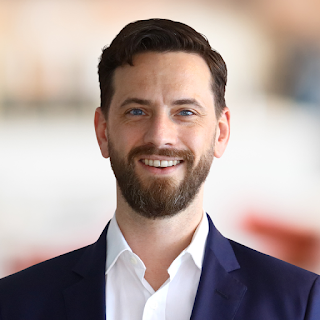
 A person with his arms crossed

Description automatically generated

 “At La Serre, we focus on every detail. We don't stay static. We keep on moving and excelling. It's hard work and can be bittersweet. We go out into the market, see who is the best and try to beat them. I believe our success is not only about the product. It goes beyond - from the ambience to the music, the walls, the flooring and the tables. Then there are the people. You can't operate food and beverage without heart. They are the dynamo, the engine that runs the business and our industry,” says Ralph Homer, the CEO and Founder of Lincoln Holding Group.


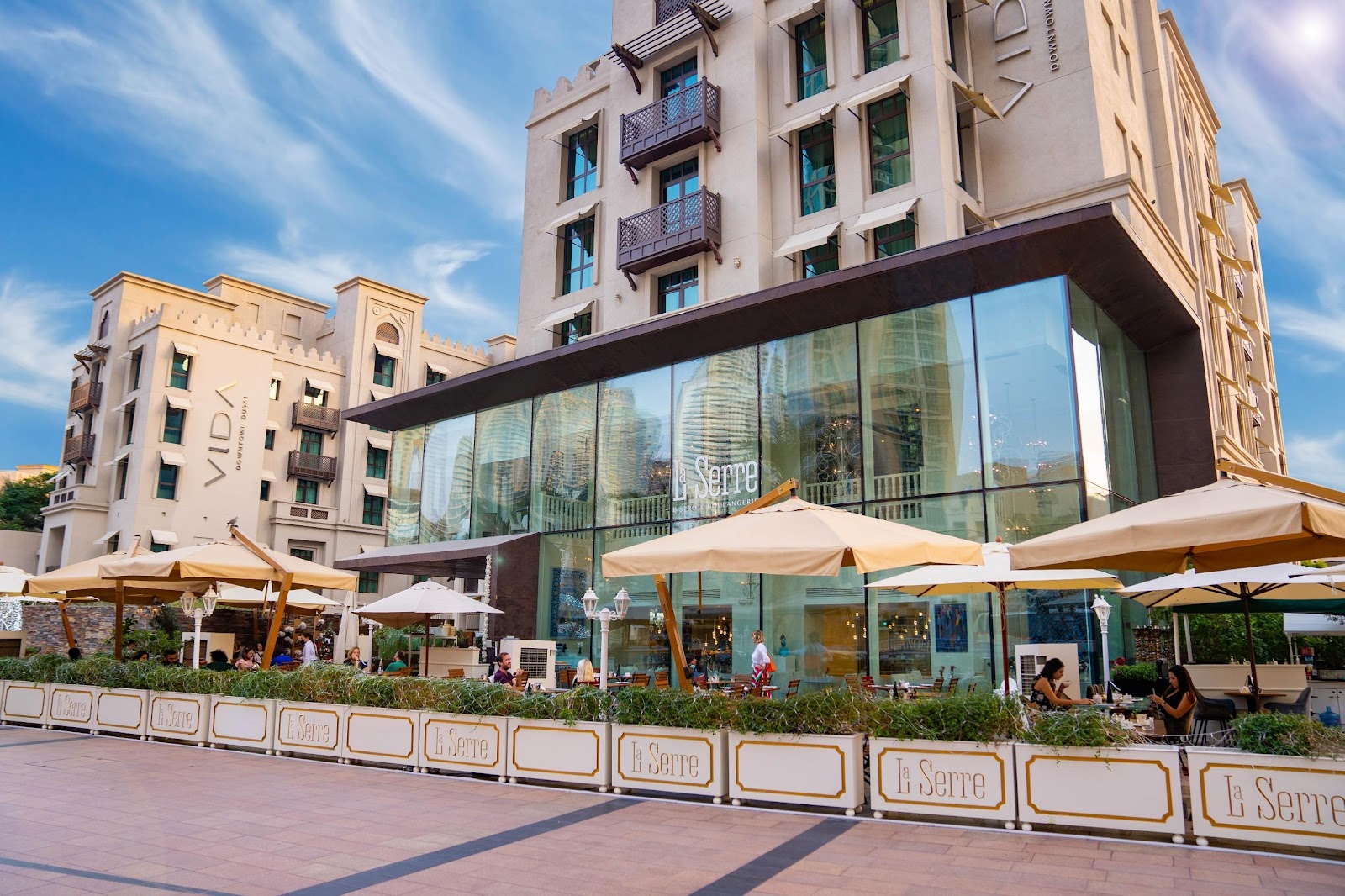
As if walking into a bistro and boulangerie in the heart of Paris, La Serre is famed for its modern ambience steeped in tradition. The moment guests arrive at a La Serre anywhere in the world, they will be welcomed in French and offered an attentive service that makes them feel at home. Elegant furnishings and sun-soaked terraces are only some of the features guests can expect. La Serre, which means the glasshouse, also has the team scouting locations that reflect this, ensuring each site lives up to and even exceeds the original spot on Dubai’s famed boulevard.  


Working around the clock to provide food that transports you to France, the smell of freshly baked baguettes and pastries will greet guests at every location. Alongside this, you can expect La Serre classics and seasonal favourites that showcase the exceptional ingredients the team has worked tirelessly to source. “We believe in quality. It took us over a year to ensure we only use organic and that everything from the free-range eggs we use to the flour and the chocolate is the best,” explains Homer. A winning combination, there’s never been a more appropriate time to say watch this space. 


-END-


Notes to editors:


Images:


A person with his arms crossed

Description automatically generated

Ralph Homer, CEO  & Founder of Lincoln Holding


A room with tables and chairs

Description automatically generated with low confidence

La Serre Dubai Downtown


A picture containing building, outdoor, sky, roof

Description automatically generated

La Serre Dubai Downtown


A picture containing building, outdoor, street, night

Description automatically generated

La Serre Dubai, Downtown 


Hashtags: #LincolnHolding #LaSerre #LaSerreDubai #Expantion #UAE #Qatar #SaudiArabia #Egypt #UK #France #SaintTropez


The First Collection Partners with FOCP UAE for World Cancer Day


The First Collection partners with Friends of Cancer Patients (FOCP) to offer free hotel stays to cancer patients to mark World Cancer Day on the 4th of February 2022


Dubai, 01 February 2022: The First Collection, together with UAE charity organization, Friends of Cancer Patients (FOCP), have created the ‘28 Days of Stays’ initiative to spotlight Cancer Awareness for World Cancer Day on the 4th of February 2022.


Coinciding with Gulf Cancer Week, which takes place from 1 – 7 February 2022, FOCP patients and their families are invited to experience The First Collection’s warm and friendly hospitality with a complimentary one-night stay at their award-winning hotels in Dubai.


The 28 Days of Stays initiative runs throughout the month of February and is part of the hotel group’s philanthropic efforts to enhance its communities through various partnerships with non-profit charities and organizations.


FOCP patients will be invited to enjoy a complimentary stay with their families at The First Collection’s hotels, including Wyndham Dubai Marina in Dubai Marina; Grand Heights Hotel ApartmentsCitadines Metro Central Dubai and TRYP by Wyndham Dubai in Barsha Heights; and The First Collection at JVC. The recipients will also dine at top-rated restaurants during their stays, including Village Bistro in JVC, Local Restaurant in Barsha Heights, and Alloro, a popular Italian eatery in Dubai Marina.


David Thomson, VP of Hotels at The First Collection says:

“We’re a company that genuiely cares about our communities, and it’s been humbling and rewarding to partner with FOCP to offer cancer patients and their families a chance to enjoy some time away while experiencing great hospitality at various destinations in our portfolio. In recent years, our partnership with FOCP has allowed us to raise funds for cancer patients through donations at our hotels, but this year we really wanted to extend a more personal pledge of support by inviting them to our properties.”


Part of FOCP’s mission is to provide holistic care and emotional support to cancer patients on their healing journey. Founded in 1999, the Sharjah-based NPO also provides financial aid to help with treatment costs for chemotherapy and radiotherapy, as well as surgical procedures and medical expenses incurred throughout the treatment. To date, FOCP has provided support
to more than 5,000 cancer patients and their families across the UAE.

For more information about FOCP or to donate to the charity, kindly visit https://www.focp.ae/ and follow them on FacebookInstagram and YouTube.


NBK Capital Partners Mezzanine Fund provides US$ 10 million financing to Moove, an African mobility fintech


The financing facility will enable Moove to democratize vehicle ownership in Africa and expand across key markets


Moove is Uber’s exclusive vehicle financing and vehicle supply partner in Sub-Saharan Africa


Moove Founders Jide and Ladi


Dubai, UAE – 1 February 2022: NBK Capital Partners Mezzanine Fund II (the “Fund”) announced today that it closed a US$ 10 million financing facility with Uber’s exclusive vehicle supply partner in Africa, the mobility fintech Moove. The innovative asset-backed venture debt marks the sixth investment from the Fund advised by NBK Capital Partners.


The growth facility from the Fund will support Moove’s expansion in West Africa initially, executives said. Moove is the first investment in Africa by NBK Capital Partners funds, underscoring the opportunity for a platform like Moove to address the continent’s vehicle financing gap.


Founded in 2019 by Ladi Delano and Jide Odunsi, Moove is an African mobility fintech that is democratizing vehicle ownership by providing revenue-based vehicle financing to mobility entrepreneurs across Africa. The two co-founders are British-born Nigerians, educated at the London School of Economics, Oxford University and MIT, who have successfully built three other businesses on the continent prior to founding Moove.


The market opportunity is vast – Africa is home to 1.3 billion people, with 43 per cent in urban areas and growing, and in 2019 had fewer than 900,000 total new vehicle sales compared to 17 million in the U.S. Moove provides vehicle financing for cars, bikes and lorries to mobility entrepreneurs across the continent through its alternative credit scoring technology and  innovative revenue-based financing model and is Uber's exclusive vehicle financing  and  vehicle  supply  partner  in  sub-Saharan  Africa. The  company  currently operates in six cities across Ghana, Nigeria, South Africa, and Kenya, with plans to expand further across the continent.


“We are very excited to partner with Moove on its journey to transform access to credit for millions of people across the African continent,” said Yaser Moustafa, Chief Executive Officer of NBK Capital Partners. “The company is driven by strong founders who possess a unique, long-term vision for success, one built on the empowerment of individuals from every socioeconomic class across the region but also a genuine commitment to social and environmental sustainability.”


NBK Capital Partners Mezzanine Fund’s’ financing comes at a fantastic time for our company and is intelligently structured for our use case,” said Ladi Delano, Co-Founder and Chief Executive Officer, Moove. “This investment brings our total funding raised to date to US$ 78 million and will fuel our continued growth trajectory as we expand our regional operations to empower more mobility entrepreneurs. We are grateful to be working with a firm that supports our vision to build the first mobility fintech for Africa markets, tackling the problem of lack of access to credit for millions.”


Jide Odunsi, Co-Founder and Chief Executive Officer, Moove, commented: “Using our alternative credit-scoring technology and revenue-based model, Moove is empowering more women to access financing and become mobility entrepreneurs. We’re committed to ensuring that at least 50 percent of our customers are female, providing them with the tools, services, and flexibility they need to be productive and successful, when previously they have been excluded from more formal means of employment.”


Executives added, through year-end December 2021, more than 2 million trips have been made in Moove-financed vehicles since it launched operations in 2020.


Sikander Ahmed, Managing Director and Head of Private Credit at NBK Capital Partners said: “We are proud to support Moove’s management at such a vital time in the company’s expansion. We believe our flexible financing solutions are the reason why an increasing number of rapidly growing companies have come to rely on us for proven solutions to the many complex financial situations in which they find themselves.”


ياس القابضة تحصد جائزة "ساب" للابتكار والريادة في إدارة الأصول


أبوظبي، الإمارات العربية المتحدة، 1 فبراير 2022: أعلنت ياس القابضة، مجموعة الاستثمار الإماراتية، عن حصولها على جائزة ساب للابتكار والريادة في إدارة الأصول عن مشروع إدارة أصول الشركات، وذلك خلال فعالية سلاسل الإمداد الرقمية التي أقامتها شركة "ساب" ضمن فعاليات إكسبو 2020 دبي.

وتسلّم الجائزة بالنيابة عن ياس القابضة كلٌ من مينا حكيم، الرئيس التنفيذي لسلسلة الإمداد في المجموعة، وبوريس روزافوف، الرئيس التنفيذي لشؤون المعلومات.

وتأتي جائزة ساب تقديراً لجهود ياس القابضة في تطبيق حلها المبتكر لإدارة أصول الشركات ضمن مجموعتها، والذي شرعت بتطبيقه في فبراير العام الماضي متّبعةً أفضل الممارسات في القطاع.

وتعليقاً على هذا الموضوع، قال المهندس مرشد الرديني، الرئيس التنفيذي لمجموعة ياس القابضة: "يشكّل هذا التكريم من شركة ساب دليلاً على جودة ممارساتنا في العمل والجهود الدؤوبة التي تبذلها فرقنا. ويسرّنا أن نحصد هذه الجائزة التي ستدفعنا لنواصل تطوير عمليات التحول الرقمي المستمرة في مجموعتنا بهدف تعزيز الكفاءة والاستدامة ضمن شركاتنا، كما نعتزم مواصلة مساعينا لنكون شركةً عنوانها المرونة والابتكار والتقدم".

وبدوره، قال سوريش فيدهياناثان، الرئيس التنفيذي للشؤون المالية لدى مجموعة ياس القابضة: "تتمثل فلسفة مجموعتنا في إدارة أصولنا طيلة فترة عمرها الإنتاجي. ونعلم جيداً أن حل إدارة أصول الشركات من ساب سيعود على الاستثمار بنفعٍ أكبر ويحسّن الكفاءة والتكاليف الإجمالية للملكية".

وتعمل ياس القابضة والشركات التابعة لها في قطاعات مختلفة ضمن الدولة وخارجها، لتوسيع عملياتها وزيادة عدد أصولها الثابتة من أجل تلبية متطلبات مختلف الأعمال. وتم إطلاق تطبيق إدارة أصول الشركات من ساب في إطار خطة التحول الرقمي التي تقودها ياس القابضة، حيث عمدت المجموعة إلى منح التطبيق لمختلف الجهات لتدير دورة حياة الأصول انطلاقاً من الاستحواذ وحتى الاستعمال.

وتسعى هذه الخطوة إلى تمكين ياس القابضة والشركات التابعة لها من إجراء التحسينات اللازمة على مسائل التتبع والإدارة وقدرة الشركة على توقّع مستوى الأداء المستقبلي، وعمليات تخطيط الطلب وتوحيده واستخدام الأصول بأفضل صورة ممكنة. ويهدف التطبيق أيضاً إلى تطوير أداء الأصول، وخفض التكاليف المترتبة على توظيف عمال الصيانة، وإطالة دورة حياة الأصول، وخفض تكاليف الطاقة، وتعزيز جودة بيانات الأصول، ورفع إنتاجية أعمال الصيانة، وتقليل التكاليف التشغيلية.

وتجدر الإشارة إلى أن ياس القابضة حققت نمواً لافتاً منذ انطلاقها لتصبح شركة استثمارية بارزة، تعتمد على عمليات الاستحواذ والاستثمار للتوسع في عدد من القطاعات، بما فيها الأغذية والزراعة والرعاية الصحية والتعليم والطيران والعقارات والتكنولوجيا والخدمات المشتركة في الأسواق، من بينها صربيا والمغرب وموريتانيا وإثيوبيا وسيراليون وإندونيسيا وماليزيا ومصر.

Technology Has Changed the Worker-Firm Relationship


By Juerg Kronenberg, Partner, Bain & Company Middle East and Andrew Schwedel, Partner, Bain & Company New York


The Covid-19 pandemic has profoundly shifted the way workers interact with their firms. While some workers are starting to return to the office, the new equilibrium is unclear. Most firms will adopt a hybrid model, but exactly what this looks like—and what it takes to succeed—remains murky.


Even before the pandemic, the traditional worker-firm relationship was morphing. The gig economy, born during the 2007–09 financial crisis, allowed workers to take on multiple piecemeal jobs to make ends meet. It surged in prominence over the last decade.


Together, the rise of work-from-home and the gig economy have loosened the boundaries of the firm, making the ideas of a workplace and a worker more fluid. Today, advances in communication technology and the emergence of new digital platforms are allowing firms to shift an increasing share of work outside of their traditional boundaries, reducing costs and improving flexibility.


From the perspective of workers, however, these changes are a mixed blessing. Can remote and gig work be mutually advantageous? The answer is complex.


First, consider gig work, also known as contingent labor (including temporary workers, contractors, and freelancers). While some workers take on contingent roles out of choice, they tend to be the select few in higher-skilled, higher-paid roles. The majority are lower-skilled workers who take these roles out of necessity when permanent roles are not available. And these lower-earning contingent workers experience a meaningful gap in job satisfaction when compared with permanent employees with a similar income. 


Digging further into job satisfaction, we found that contingent workers are relatively more satisfied with their flexibility, but relatively less satisfied with their job stability and relationships with colleagues. 


For firms, the appeal of contingent work varies based on the type of work. Higher-skill contingent workers are valuable when the firm needs access to specific expertise, and it’s either too difficult to entice someone into a permanent role, or they are only needed for a specific project. Firms tend to rely on lower-skill contingent workers when there’s a desire to shift to a more variable cost base, for greater responsiveness to volatile demand.


But loyalty and commitment flow both ways. The hidden cost of this strategy may be a workforce, particularly a front line, that is less inspired and less willing to invest in delighting customers or going above and beyond in their duties.


Next, consider the long-term outlook for remote work. The pandemic demonstrated that many workers can perform far more of their duties remotely than anticipated. To explore the maximum potential for continued remote work, we examined around 2,000 underlying activities across approximately 900 occupations and identified the share of tasks that could be performed from home, given the current state of technology.


Our findings conform closely to the story of the pandemic: White-collar workers in knowledge and administrative jobs, alongside teachers, performed most of their responsibilities from home. And those in manual and service jobs, alongside healthcare workers, either continued going in as essential workers or found themselves out of work. For knowledge and administrative roles, remote work has a high likelihood of sticking beyond the pandemic. 


Even if the lion’s share of white-collar work can be done remotely, that doesn’t necessarily mean it should be. There are two factors to consider: the impact of remote work on productivity, and the desires of the workers themselves.


The impact of working from home on productivity seems to vary from activity to activity. Research from prior to the pandemic suggests that activities requiring a high degree of collaboration or significant interdependence tend to be more productive when performed in person. The challenge is that these activities represent a growing share of white-collar workers’ jobs.


Firms also need to consider what their workers want. With no daily commute, remote work saves employees time and money. Working from home also allows employees to have more time with their families and greater flexibility in how they spend their day. But there are significant downsides as well: Workers can feel cut off from their workplace social life, lack apprenticeship, and struggle to manage the boundary between work and personal time.


The sustained sense of isolation and lack of meaningful connection with colleagues may be increasingly weighing on workers. Connection and trust are critical ingredients for effectively operating complex businesses. The big question is whether companies can maintain connection and trust without the physical connection that offices provide.


Shared office space helps firms feel more like a community and less like an impersonal marketplace. When working remotely, it’s particularly difficult to reproduce the informal and unplanned interpersonal interactions of everyday office life. For many firms, the success of remote work during the pandemic has come at the cost of the cultural capital and goodwill that colleagues have built up over the years. Over time, especially as new recruits join, maintaining culture and connection may become increasingly difficult—although there is plenty of room for experimentation in this space.


As the rise of contingent and remote work loosens the boundaries of the firm, there’s a risk that workers come to view their relationship with their organizations in a purely transactional light. As a result, the bonds of trust that form the connective tissue of the firm are in jeopardy of fraying.


None of this is to say that it’s impossible to maintain a strong and cohesive organization while increasingly relying on contingent and remote work. But examples of sustained success at scale are few and far between. 


Forward-looking leaders can start by creating a shared vision and values. The best firms sustain a distinctive character, underpinned by a set of unifying values, even as they scale. It requires a thoughtful combination of leadership role modeling, peer-to-peer activation, formal incentives, and a shared corporate mythology. As remote and contingent work grow, creating informal bonding opportunities for remote workers will be critical. Leaders will also need to engage contingent workers and partners. To succeed, firms will need to harness significant innovation and creativity—but those that can crack the code stand to gain a significant competitive advantage.


=